
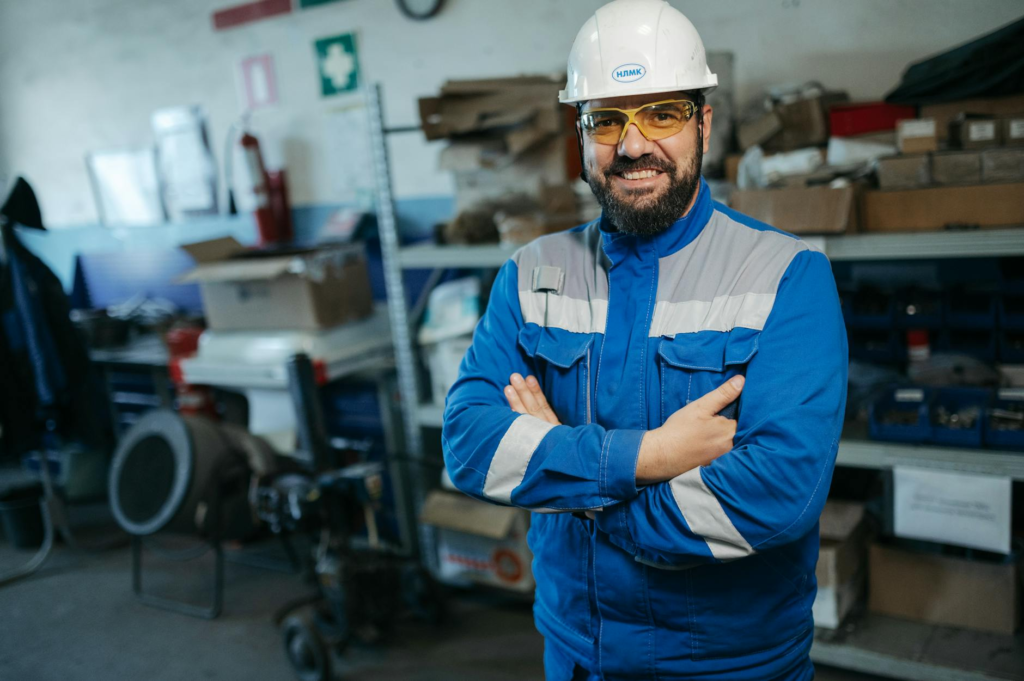
Individuals often begin with short-term or contract-based positions, not realizing how these roles can evolve into transformative, long-standing careers. EnergiPersonnel has been part of countless success stories in the energy and industrial arenas, witnessing firsthand how temporary workers can shift into permanent contributors when they adopt a strategic outlook. This approach involves mastering in-demand skills, forging significant alliances, and displaying a forward-thinking attitude that appeals to employers.
Seeing Short-Term Roles as Gateways to Growth
Many people initially enter industries such as oil, gas, solar, renewables, and light industrial through brief assignments. These gigs might appear modest—perhaps as maintenance technicians, entry-level equipment operators, or part-time drivers. Yet, they can be stepping stones for broader career prospects if approached with curiosity and ambition. For example, a newly hired sand mining assistant might begin by assisting senior crew members, learning the basics of mechanical systems, and understanding safety protocols. By diligently focusing on each task, that individual can accumulate practical expertise that catches the eye of supervisors when full-time openings surface.
The key is to see a short-term role not merely as a paycheck but as a launchpad for bigger achievements. Some professionals opt for these positions to experiment with different sectors, gaining exposure to the distinctive tasks and procedures that each field demands. They might spend six months as a solar panel installer, then transition to a wind turbine assembly team, or undertake assignments in natural gas detection or industrial logistics. These experiences yield a well-rounded understanding of energy and industrial workflows—ultimately making the individual more appealing to recruiters when permanent roles become available.
Building Core Competencies That Translate to Longevity
A major advantage of contract work lies in its capacity to foster essential competencies that persist across various contexts. While a short assignment may specifically involve operating machinery, handling industrial chemicals, or supporting pipeline construction, the underlying abilities—problem-solving, teamwork, and adaptability—are invaluable. Workers determined to go the distance adopt the mindset of continuous learners. They sign up for external certifications, tune in to safety webinars, conduct their own research on industry breakthroughs, and watch how seasoned colleagues handle challenges in real time.
For instance, a light industrial temp worker may discover that the skills developed on the warehouse floor—accurate inventory management, meticulous record-keeping, and safe forklift operation—are equally relevant in assembly facilities, shipping centers, or even new energy ventures like battery manufacturing. By deepening these abilities, individuals steadily assemble a toolkit that remains relevant despite industry fluctuations. Employers take note of those who seek to enrich their background over time, which makes candidates stand out when they apply for permanent openings.
Mentorship and Structured Support
Organizations that view short-term hires as potential long-term solutions often create structured environments where mentorship thrives. When a more experienced staff member offers guidance, informal advice, or practical coaching, it can significantly accelerate a temp worker’s skill advancement. Imagine a technician fresh out of a vocational program who joins a solar installation team. If that individual is paired with a veteran project manager, they gain insights into not only technical methods but also high-level project oversight, budgeting, and risk mitigation. This expanded viewpoint can help that worker evolve from a basic installer to a prospective supervisor more rapidly.
Likewise, sharing industry best practices makes a tremendous difference in how temporary staff approach their day-to-day responsibilities. Skilled trades, sand mining, and drivers’ operations can involve strict safety regulations, heavy-duty equipment, and demanding shifts. Seasoned mentors help newcomers acclimate by demonstrating safe driving routes, operational checklists, or best practices for handling specialized machinery. This support, together with an individual’s effort to learn and excel, shapes a reliable, resourceful team member who stands out when employers decide to convert a short-term arrangement into a full-time position.
Nurturing a Forward-Thinking Mentality
Temporary roles often come with specific timelines and objectives, but employees who adopt a forward-thinking mentality can seize greater opportunities. For instance, someone in a temporary administrative role at an oil refinery can pay close attention to the bigger picture: how departmental budgets are allocated, how compliance and environmental audits are managed, and how supply chain decisions are made. Understanding these broader processes makes that person more valuable if a permanent position becomes available, as they can contribute at a holistic level.
A steadfast commitment to professional improvement can spark a sense of trust in employers’ minds, particularly in specialized environments such as gas pipeline management or greentech research labs. By attending team meetings, taking initiative to ask clarifying questions, or proposing small yet meaningful efficiency improvements, temps can demonstrate that they are not merely counting down the days of a contract. Rather, they are honing skills and absorbing knowledge crucial for long-term stability and growth. This mindset forms a foundation for a resilient and flourishing career.
Turning Everyday Tasks into Career Milestones
The day-to-day challenges in sectors like oil extraction or electrical trades rarely come with a spectator’s manual. Workers must adapt swiftly, often thinking on their feet while solving mechanical failures, meeting production targets, or addressing safety hazards. Yet, these “everyday tasks” can become pivotal career milestones for those who capitalize on them. A driver ensuring timely deliveries to remote solar fields and consistently adhering to safety checks illustrates diligence and competence. Over time, managers notice this sense of responsibility and recognize the possible benefits of keeping such a dependable individual on the roster permanently.
In the same vein, a sand mine laborer who consistently meets or surpasses performance metrics, volunteers for additional training modules, or navigates team disputes with professionalism is essentially crafting a path to long-term employment. Each problem solved efficiently becomes a highlight that elevates them in the eyes of supervisors and coworkers. Recognizing that these moments can significantly influence future career opportunities encourages temps to remain upbeat and dedicated, even when assignments are short-lived.
Networking as an Underutilized Asset
When people think about career progression, networking might be overshadowed by the tangible skills demanded in fields like welding, pipeline safety, or heavy machinery repair. Yet, building genuine connections can propel a temporary worker far beyond what formal training alone can achieve. Every shift, lunch break, or project meeting is a chance to connect with people who have already navigated the terrain or have influence over hiring decisions. By simply asking relevant questions about career paths, upcoming projects, and recommended certification courses, temps can gather information to shape their next steps.
Furthermore, networking isn’t limited to upward interactions with managers. Collaborating well with peers in skilled trades or in the drivers’ sector can create beneficial alliances later. When positions arise, a coworker’s referral or endorsement can carry remarkable influence. Energy fields—particularly specialized ones like renewables—tend to be tight-knit communities. Fostering a strong reputation among colleagues inside and outside the organization broadens the web of opportunities an individual can access.
Confronting Common Obstacles Proactively
Transitioning from short-term tasks to permanent assignments does not happen seamlessly for everyone. Some struggle with inconsistent work schedules or rapidly changing job sites. In regulated industries like oil and gas, rigorous safety requirements may initially feel daunting. Others may encounter difficulties adapting to rotating shifts across different production floors, or to physically demanding tasks such as moving massive equipment or standing for extended work periods.
However, by acknowledging these challenges and attempting to address them head-on, employees can demonstrate maturity and drive. If the physical requirements prove overwhelming, workers might look for ergonomic strategies, additional training, or advice from more experienced team members to handle the grunt work effectively. If a specific job site introduces new technology, volunteering to learn it first under the guidance of a supervisor or trainer can underscore an individual’s willingness to adapt. These proactive measures are not just about surviving a short contract—they signal an unwavering dedication that employers value in the long term.
Shaping a Collaborative Environment
Organizations that genuinely integrate short-term hires into the broader team structure often see higher retention and smoother operations. Encouraging collaboration—through joint safety briefings, project brainstorming sessions, or informal social gatherings—invites temps to share their perspectives and feel a deeper sense of inclusion. When colleagues treat newcomers as equal contributors, those newcomers are more inclined to take ownership of their tasks and aim for high performance.
In addition, constructive feedback loops can amplify a collaborative culture. For workers in high-risk fields like pipeline maintenance or in physically rigorous sectors like heavy goods transport, real-time advice and corrective feedback are essential. A practical orientation session, plus routine safety check-ins, can keep people motivated and avoid potential mishaps or misunderstandings. When staff members trust one another, the entire team functions more cohesively—leading decision-makers to consider bringing short-term talents on board for the long haul.
Preparing for Expansion in the Energy and Industrial Realms
The emerging focus on sustainability has catalyzed expansion in renewable energy, offering ample room to grow in areas like solar, wind, and battery technology. Short contract positions in these spheres often serve as eye-opening experiences for people interested in green careers. During these projects, workers might learn how to operate cutting-edge gear, handle environmental permits, and coordinate with diverse stakeholders such as local governments and environmental agencies. When a company scales up, employees who have shown that they can thrive in these specialized situations become prime candidates for leadership opportunities.
Meanwhile, traditional roles in oil and gas, or even specialized fields like well-site services, maintain a steady stream of demand for versatile, committed staff. As technologies evolve—whether through digital monitoring systems, new drilling techniques, or data-driven safety metrics—fresh skill sets are needed. Short-term contract work in these areas provides a fertile training ground for acquiring such advancements. Once a short assignment ends, the cumulative knowledge gained turns workers into highly desirable prospects when permanent roles open up.
Ignite Your Path to a Long-Term Career
Temporary opportunities can absolutely serve as the turning point for those who aspire to build durable, fulfilling careers in the energy and industrial arenas. The open secret is to seize each gig as a chance to expand expertise, cultivate relationships, and exhibit a forward-thinking mentality. By merging diligence, adaptability, and a thirst for continuous learning, temporary staff stand out as compelling additions that companies prefer to keep long-term. If you’re ready to turn a temporary assignment into a career success story, EnergiPersonnel is here to help you find the right fit. Explore open positions and take the next step today.


