
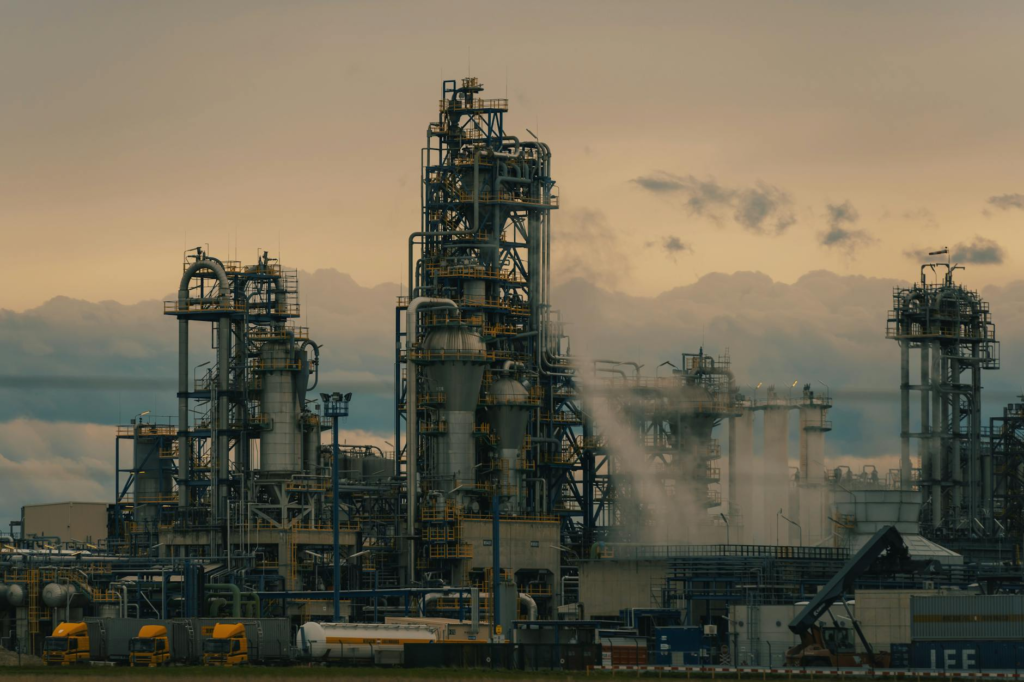
In what follows, we will delve into the many facets of how the right people reduce occupational risk, from seeking specialized skill sets to creating a culture where safety is second nature.
The Role of Specialized Skills in Minimizing Danger
People tasked with working in environments laden with potential hazards must come equipped with technical know-how. Whether active in oil platforms at sea, solar panel installations in challenging climates, or industrial manufacturing lines, specialized workers often foster a direct impact on accident prevention. When an operator is adept at assessing critical variables—like temperature fluctuations in solar fields or equipment pressures within refineries—they can identify signs of trouble well before those issues manifest into full-blown crises.
Take the example of a seasoned drilling engineer in a remote oilfield. By swiftly interpreting anomalies in pressure readings, this expert can halt dangerous blowouts before they have a ripple effect on entire drilling sites. At a solar power facility, a licensed electrician specialized in renewable systems recognizes irregularities in insulation or wiring far more quickly than someone without that background. This precise detection of anomalies makes a measurable difference: lesser downtime, less damaged infrastructure, and overall safer conditions for all personnel nearby.
Technical Training: A Shield Against Potential Hazards
Deep technical knowledge, nurtured through targeted training, transforms an ordinary worker into a cornerstone of stability in precarious environments. Industrial settings place a premium on readiness. Workers who have completed mandatory safety courses and gained additional credentials—like OSHA certifications or specialized equipment operation licenses—understand the severity of slip-ups. They also tend to cultivate a mindset that embraces continuous improvement. Rather than viewing safety briefings and refresher courses as bureaucratic chores, these professionals approach them as vital opportunities to update their expertise and reinforce meticulous habits.
Critical industries such as sand mining underscore this principle. When heavy machinery is in constant motion, the margin for error is slight. Employers who source candidates trained to operate excavators or manage conveyors with skillful precision reduce the odds of catastrophic accidents. Regular maintenance checks become second nature, leading to reliable machinery operation and safer conditions for colleagues on the worksite.
Strategic Workforce Planning: The Building Blocks of Safe Operations
In addition to employing technically adept workers, organizations benefit from comprehensive workforce planning. Hazardous activities often entail fluctuating staffing requirements, whether influenced by project expansion, seasonal pressures, or shifting economic conditions. Carrying too few seasoned staff raises concerns if novices handle jobs above their skill scope, whereas overstaffing with improperly assigned roles may cause confusion and reduce accountability. A carefully devised workforce plan ensures that every position critical to safety—like rig supervisors, safety coordinators, or specialized technicians—is staffed by individuals with the right blend of expertise.
Organizations that regularly audit internal processes are more adept at forecasting future hiring needs. For instance, an oil-drilling enterprise anticipating a surge in offshore exploration might evaluate upcoming tasks demanding specialized subsea engineers. Securely planning for those hires not only lessens last-minute recruitment stress but also fortifies safety procedures. When each specialized position is thoughtfully addressed, teams exhibit greater synergy, further lowering the likelihood of human error in hazardous settings.
Fostering a Culture Where Safety Thrives
Even the most skilled workforce benefits from an environment that reinforces safety as a shared core value. A top-down commitment to risk management is crucial. Workers look to leadership for cues on how seriously the organization takes hazard prevention. When management enforces open-door policies where any employee—regardless of rank—can report near-misses or impending threats without fear of repercussion, transparency becomes a daily practice. This forthright communication fosters trust, aiding in the swift mitigation of possible dangers.
Smaller enterprises, many of whom believe comprehensive safety initiatives exceed their budgets, can still build impactful programs. Engaging and cost-effective solutions—like monthly safety huddles or awarding “safe worker of the week”—amplify employees’ sense of ownership. These actions underscore the theme that safety extends beyond ticking boxes on compliance checklists; it’s an ongoing commitment to safeguarding each colleague’s well-being. In time, this mentality seeps into every work procedure, streamlining compliance with legislative mandates and mitigating on-site incidents.
Why Behavioral Attributes Matter Just as Much
While technical mastery significantly reduces hazards, selecting individuals whose personalities align with core values of responsibility, teamwork, and adaptability can shape workplaces into models of resilience. Picture a driver assigned to haul heavy loads across remote locales. If this driver conscientiously observes safety measures, frequently checks vehicle conditions, and proactively communicates potential problems, the entire hauling operation becomes markedly safer. Similarly, if team members exhibit collaborative qualities, they are more likely to watch out for one another, sharing knowledge and warning about issues as soon as they arise.
Adaptability, in particular, stands out in high-pressure contexts. Oil rigs, wind farms, and large-scale infrastructure projects often grapple with shifting regulations, unforeseen weather events, or sudden design modifications. Professionals capable of calmly pivoting under such circumstances reinforce both their own safety and that of their colleagues. By emphasizing this trait in your hiring strategies, you gain a workforce prepared to handle dynamic work conditions without sacrificing their well-being or overall productivity.
Case Studies: Successful Approaches to Safety-Focused Hiring
Diverse high-risk industries offer substantial anecdotes illustrating how strategically chosen hiring practices create safer workplaces. For example, consider a sand mining company operating in a region known for extreme heat and dust storms. Seeking to minimize equipment-related injuries, management introduced a role exclusively devoted to occupational health oversight. This specialized safety manager conducted weekly audits, ensuring personal protective equipment (PPE) usage remained consistent and verifying that respiration protocols properly protected workers from particulate matter. Over a span of six months, reported accidents and near-misses dropped significantly, serving as tangible proof of the value that skillful, vigilant staff bring to hazardous operations.
A small renewable energy startup provides an equally telling story. Looking to ramp up solar infrastructure installation, this enterprise prioritized employees with a wide spectrum of expertise—electrical engineering, site assessment, project management—and underscored a willingness to adopt advanced safety measures. New hires were thoroughly tested through scenario-based interviews, which required them to solve potential high-stakes problems on the spot. The result was a unified team that concluded more projects on time and with fewer incidents, demonstrating that even modest organizations can outmaneuver larger rivals simply by hiring people who are both technically proficient and deeply attuned to safety.
External Staffing Partners: Gaining a Strategic Edge
Not every business can afford to house comprehensive recruiting departments or design extensive hiring campaigns. For small to mid-sized organizations particularly, collaborating with an external staffing specialist can be advantageous. Such partnerships present a streamlined avenue for securing personnel who fit complex job criteria without placing further strain on internal resources. A specialized recruitment agency can rapidly identify specialized tradespeople, field technicians, or even executive-level talent who possess both the necessary experience and an ardent commitment to hazard-free work practices.
Moreover, external agencies frequently engage with broader segments of the labor pool, accumulating insights on industry shifts and emerging regulations that in-house hiring teams might overlook. This heightened level of expertise proves especially beneficial when following evolving rules in especially complicated fields, such as offshore drilling or renewable energy. In an era where compliance changes can be swift, it helps having a network that keeps your organization aligned with the latest standards. Through these partnerships, businesses can focus on key goals—expanding production, refining processes, or innovating technology—knowing they have a safe, trustworthy team guiding operations.
Enabling Smaller Enterprises: Leveling the Playing Field
A longstanding misconception is that maintaining an in-depth safety program and a well-qualified workforce is a luxury reserved for major corporations. However, smaller entities can achieve these same benefits by investing in appropriate staffing strategies. For instance, a family-operated construction firm that often handles compressed project timelines can partner with a specialized recruiter to source adept crane operators, certified welders, or skilled electricians. By ensuring these roles are filled with people who demonstrate both the relevant credentials and a collaborative attitude, the whole job site remains safer and more efficient.
Another aspect often overlooked is the positive impact on employee morale when a company is perceived as genuinely committed to safety. Workers who feel their well-being is a priority are more likely to remain loyal, nurturing lower turnover rates. Furthermore, word travels fast in tight-knit industrial communities. Gaining a reputation for fostering secure environments elevates an organization’s standing, naturally attracting applicants eager to share their expertise in a responsible workplace. Over time, an upward cycle of credible hiring begets improved quality control, robust performance, and enduring success—even within sectors prone to risk.
Adopting Continuous Growth to Maintain an Edge
As technology evolves, so do the methods employed in hazardous industries. Automated machinery, drone surveillance, and new energy systems have reshaped many of the roles required on construction sites, refineries, and manufacturing floors. With these shifts come fresh hazards—like working near automated robotics or troubleshooting advanced sensor technologies. By regularly updating job requirements, seeking employees with a blend of traditional know-how and forward-looking skills, and putting them through ongoing training, organizations maintain a competitive edge in safety as well as productivity.
Consider the integration of wearable tech in harsh environments. These devices can track vitals, alerting teams when a colleague is on the edge of overheating, exhaustion, or exposure to elevated chemical levels. Staff members trained in data analytics can interpret these real-time alerts and swiftly intervene. The synergy between technical acumen, vigilant staffing, and technology fosters a new frontier in workplace safety—a place where problems are foreseen rather than simply responded to.
Nurturing Collaboration Across Departments
Diverse functionalities—like maintenance, human resources, compliance, and operations—must align to ensure seamless safety practices. Rather than working in silos, departments gain from sharing insights on how accidents occur, near-misses that need attention, or even design flaws that compromise operational well-being. This open exchange of knowledge helps shape recruitment targets further by highlighting which responsibilities need specialized attention. In many cases, businesses discover that certain skill gaps can be rectified using targeted training instead of holding off on progress until a rare “perfect candidate” appears.
In the industrial realm, small oversights often have massive ramifications. For instance, a mishandled chemical valve that releases toxic aerosol affects not only on-site workers but also people in the surrounding community. By encouraging open communication channels, department heads notice potential blind spots before they amplify. Hiring managers can then design job descriptions that emphasize real-world competencies—like advanced chemical handling or multi-lingual communication in diverse crews—ultimately raising the bar on safety.
Bolstering Long-Term Safety and Success
When the workforce is composed of qualified, experienced individuals committed to reducing risks, hazardous industries can thrive with fewer in-field incidents and steadier project outcomes. An unwavering focus on the right combination of skill, technical expertise, and proactive culture forms the backbone of this success. Although many moving parts contribute to safe operations, the human element remains a decisive factor in ensuring that hazards are recognized and resolved promptly. By picking people who understand the gravity of their roles and encouraging continuous learning, companies set themselves on a path to both heightened productivity and improved security.
With more than three decades of experience supporting high-risk and high-performance industries, EnergiPersonnel helps organizations build strong, safety-minded teams ready for any challenge. Request skilled professionals for your next project and partner with a staffing firm that understands the vital connection between qualified talent and safe, efficient operations.


